How to Choose Powersports Protective Gear for ATV and Motorcycle Riding

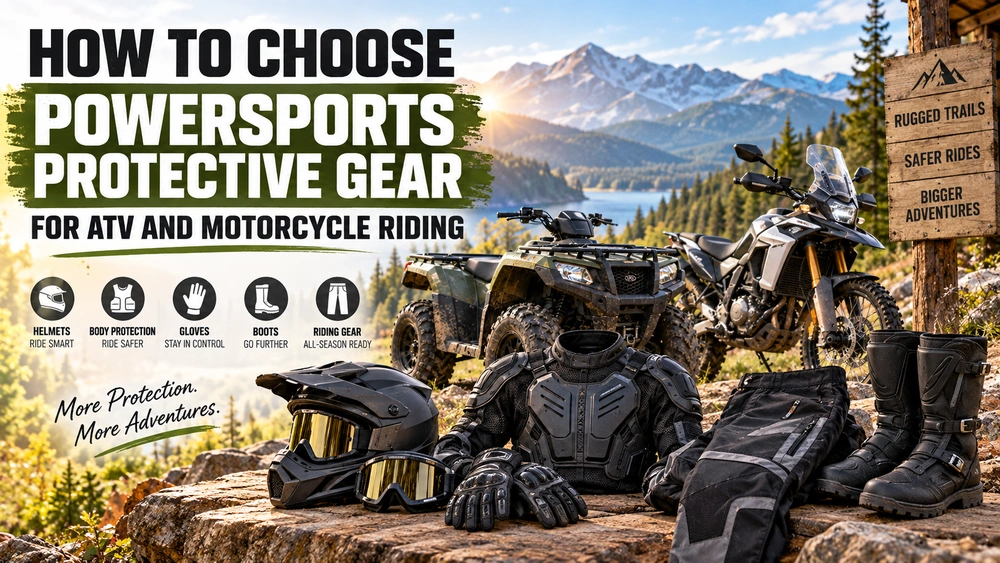
The right powersports protective gear should match the vehicle, terrain, weather, and rider. A properly fitting approved helmet, eye protection, gloves, over-the-ankle boots, and appropriate riding clothing provide a practical starting point for ATV and off-road motorcycle riding.
At Backcountry Motorsports Ltd in Pemberton, we work with riders using ATVs, side-by-sides, and enduro motorcycles. The important point is that protective equipment should be chosen around the machine and the way it is used, not simply appearance or brand. We carry and service Polaris® ATVs and side-by-sides, plus Beta and TM enduro motorcycles so gear recommendations below cover what we actually sell and support, not just Polaris.
What Protective Gear Should You Wear?
|
Vehicle Type |
Practical Starting Point |
|
ATV |
Approved helmet, eye protection, gloves, long sleeves, long pants, over-the-ankle boots |
|
Enduro motorcycle |
Approved helmet, goggles, gloves, motorcycle boots, durable riding clothing, appropriate impact protection |
|
Side-by-side |
Helmet and eye protection, gloves, long sleeves, long pants, over-the-ankle footwear, plus the vehicle's seat belt |
|
Road motorcycle |
Approved helmet plus riding gear selected for abrasion, weather, visibility, and impact protection |
Polaris® off-road safety guidance recommends protective clothing and tells owners to check the manual for their specific vehicle.
No protective equipment can make powersports riding risk-free, so gear should support proper training, responsible operation, and the manufacturer's safety instructions.
Start With an Approved Helmet and Proper Fit
A helmet is the first piece of ATV safety gear we would prioritize.
Before choosing one, check:
-
Certification for the type of riding you will do
-
Correct head size and shape
-
Snug, secure fit
-
Chin strap and retention system
-
Compatibility with goggles or face shield
-
Ventilation
-
Condition and crash history
A helmet should fit securely and should not move excessively around your head. Follow the helmet manufacturer's sizing and fit instructions rather than simply choosing the size that feels loosest or most comfortable.
What Helmet Standards Apply in British Columbia?
For ATV and off-road motorcycle use on Crown land, BC's Off-Road Vehicle Regulation requires an approved off-road vehicle helmet for ATVs, motorcycles, and snowmobiles, subject to applicable exemptions.
The regulation recognizes specified standards including FMVSS 218/DOT, ECE Regulation No. 22, and specified Snell motorcycle standards.
For motorcycles operated on public roads, review the Province's current BC motorcycle helmet requirements. The helmet should display the certification label required for an accepted standard.
Because standards and regulations can change, verify the current provincial requirements when replacing a helmet.
Why Eye Protection Matters for Off-Road Riding
Dust, mud, insects, branches, stones, and wind can interfere with vision quickly.
General guidance says riders should not depend on ordinary eyeglasses or sunglasses as their only eye protection. For ATV riding, use appropriate shatter-resistant goggles or a suitable helmet face shield.
When choosing goggles, look for:
-
Compatibility with your helmet
-
A secure but comfortable facial seal
-
Good ventilation
-
Fog management
-
A lens suited to expected light conditions
Pemberton riding can move between brighter open areas, shade, dust, and changing weather, so visibility should matter more than lens appearance.
What ATV Riding Gear Works for Pemberton Conditions?
For ATV protective gear, think about both impact protection and the environment.
Gloves
Choose full-finger gloves that maintain grip and control movement while providing suitable protection from weather, brush, and debris.
Boots
Polaris® recommends sturdy over-the-ankle boots. For rougher riding, purpose-built ATV or off-road boots can provide additional coverage and support.
Pants and Upper-Body Protection
Long pants and long sleeves provide more coverage than casual summer clothing. Depending on riding style, additional knee, elbow, chest, or back protection may also be appropriate.
Changing temperatures around Pemberton also make layering useful. Choose layers that let you move freely and operate the controls without excessive bulk.
Our current ATV inventory includes machines such as this live 2026 Polaris® Sportsman® 450 H.O.. You can also browse our current Polaris® ATV inventory.
Inventory changes, so confirm current availability before visiting.
How Is Enduro Motorcycle Gear Different?
An enduro motorcycle places different demands on the rider than an ATV.
Common off-road motorcycle priorities include:
-
Approved off-road helmet and goggles
-
Motorcycle-specific boots
-
Riding gloves
-
Durable riding pants
-
Knee and shin protection
-
Elbow protection
-
Chest or roost protection appropriate to the riding style
We currently carry Beta and TM enduro motorcycles. Our live inventory includes this 2026 Beta 300 RR Race Edition, and you can compare our current enduro motorcycle inventory.
If a motorcycle will also be operated on public roads, make sure the rider and vehicle meet the applicable road-use and helmet requirements rather than assuming off-road requirements are identical.
Should ATV and Side-by-Side Riders Wear the Same Gear?
Not necessarily.
An ATV is a ride-astride vehicle. A side-by-side uses a seat, steering wheel, and, when factory-equipped, occupant restraints.
Under BC's Off-Road Vehicle Regulation, manufacturer-installed seat belts must be used in applicable side-by-sides on Crown land or prescribed private land.
Polaris® goes further in its current RANGER and RZR safety guidance, recommending:
-
Helmet
-
Eye protection
-
Gloves
-
Long sleeves
-
Long pants
-
Over-the-ankle boots
-
Seat belt
So do not treat the seat belt as a substitute for manufacturer-recommended protective gear.
For a real vehicle comparison, see our live 2026 Polaris® RZR Trail S 1000 Ultimate or browse our current side-by-side inventory.
If you are still deciding between vehicle types, our guide to ATV vs. side-by-side riding around Pemberton can help with that decision.
Riding Gear for Beginners: Where Should the Budget Go First?
New riders should budget for essential protection at the same time as the machine.
A practical order is:
-
Approved, properly fitting helmet
-
Proper eye protection
-
Appropriate over-the-ankle boots
-
Gloves
-
Durable riding pants and upper-body clothing
-
Additional impact and weather protection based on riding style
Do not compromise helmet fit just to save money or buy a size that is intentionally too large. Protective equipment works best when it fits correctly and stays where it is intended to stay.
Do You Need Different Gear for Different Seasons?
Often, yes.
Warm, dry riding puts more emphasis on ventilation and dust management. Cooler or wet conditions increase the importance of moisture control, wind protection, insulation, and spare dry layers.
Whatever the season, your gear still needs to let you:
-
Turn your head freely
-
Grip the controls properly
-
Operate levers and pedals
-
Stand or shift body position when needed
-
See clearly
-
Avoid overheating or excessive restriction
Choosing the Machine and the Gear Together
If you are moving from an ATV to an enduro motorcycle or side-by-side, do not assume your existing gear setup automatically transfers.
Browse our complete powersports inventory or Polaris® off-road vehicle lineup to compare how riding position, controls, occupant restraints, and manufacturer safety recommendations change between machines.
Our website does not currently advertise a dedicated helmet or riding-apparel department, so verify product availability before visiting specifically for rider gear. Our parts and accessories department is focused on OEM vehicle parts and machine accessories.
For questions about a specific vehicle and its manufacturer-recommended safety equipment, contact our Backcountry Motorsports team in Pemberton.
Powersports Protective Gear FAQs
How tight should a powersports helmet fit?
It should fit snugly and securely without painful pressure points or excessive movement. Follow the helmet manufacturer's fit and sizing instructions and fasten the retention system correctly.
Are sunglasses enough for ATV riding?
No. Polaris® advises riders not to rely on ordinary eyeglasses or sunglasses as their only eye protection. Use suitable shatter-resistant goggles or an appropriate face shield.
Is a helmet legally required for ATV riding in British Columbia?
Under BC's ORV rules, operators and passengers of ATVs on Crown land or prescribed private land generally must wear an approved off-road vehicle helmet, subject to applicable exemptions.
Do side-by-side riders need a seat belt in BC?
When a side-by-side is equipped with a manufacturer-installed seat belt, BC's ORV rules require occupants to use it on Crown land or prescribed private land. Also follow the vehicle manufacturer's protective-gear recommendations.
Should beginners buy protective gear before their first ride?
Yes. Essential protective equipment should be part of the initial riding budget, not something added after several rides.